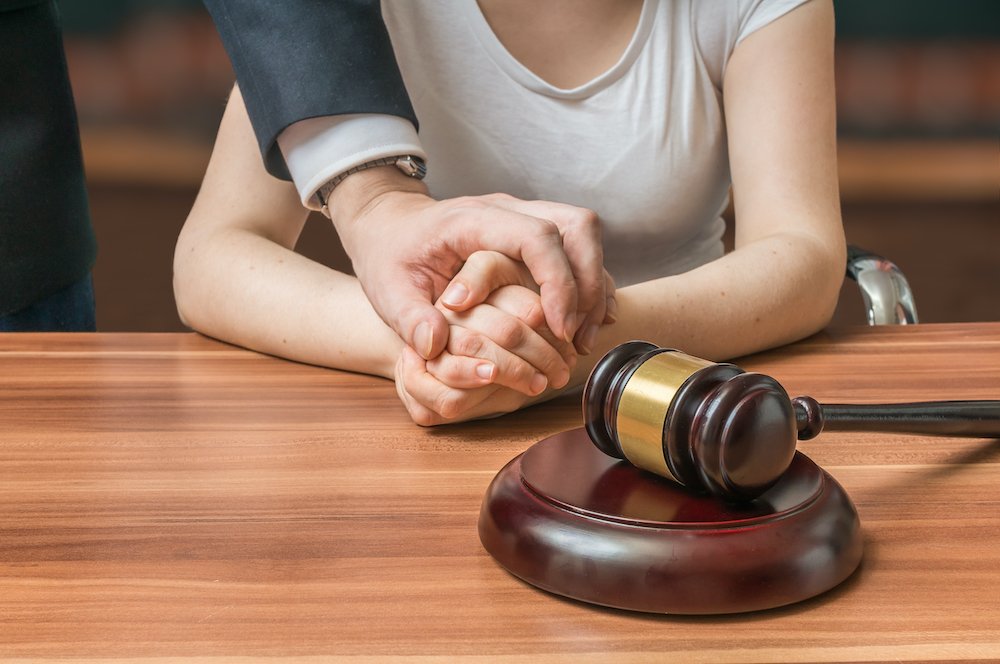
Pleading guilty is a major legal decision that affects court procedure, sentencing, and future options. A defendant should understand the charge, the evidence, possible penalties, and the consequences of waiving a trial before entering a plea. Courts also impose deadlines that control motions, hearings, and appeals. Careful preparation helps prevent rushed decisions and clarifies which choices remain as the case moves forward.
Before entering a plea, a defendant should review the charge, possible penalties, evidence, and every deadline set by the court. A lawyer can explain how missed filings, hearing dates, or appeal periods affect available choices. For practical guidance about timing and criminal procedure, the Law Offices of Tad Nelson can provide relevant legal information before a decision is made.
What A Guilty Plea Means
A guilty plea tells the court that the defendant accepts responsibility for the charged offense. The plea usually ends the need for a trial, although sentencing still must occur unless the court imposes a sentence immediately.
Before accepting the plea, the judge typically confirms that the defendant understands the charge and the rights being waived. Those rights include the right to a jury trial, the right to confront witnesses, and the right against compelled self-incrimination.
The court also checks whether the plea is voluntary. A defendant must enter the plea without improper threats or promises. The judge usually asks questions on the record to confirm that the decision is informed and intentional.
Review The Possible Consequences
A defendant should learn the maximum and minimum penalties attached to the charge. Sentencing can involve incarceration, probation, fines, restitution, community service, treatment requirements, or restrictions after release.
Collateral consequences also deserve attention. A conviction can affect employment, professional licensing, housing, immigration status, firearm rights, and eligibility for certain public benefits. These effects depend on the offense and the defendant’s circumstances.
A plea agreement does not always eliminate uncertainty. Prosecutors and defense attorneys can recommend a sentence, but judges control sentencing in many cases. The written agreement should explain each promise, limitation, and possible penalty.
Understand The Plea Agreement
Some guilty pleas follow a negotiated agreement. The prosecutor might agree to dismiss another charge, recommend a sentence, or reduce the filed offense. The exact terms depend on the case and applicable law.
A defendant should read the entire agreement before signing it. Important provisions can address sentencing recommendations, restitution, cooperation, appeal waivers, and statements about the conduct involved.
The defense attorney should explain terms that carry lasting effects. A defendant should not rely on informal statements that are not in the agreement or court record.
Know What Rights Are Waived
A guilty plea usually waives the right to challenge the prosecution’s evidence at trial. It also limits the ability to question witnesses, present defenses before a jury, and require the government to prove guilt beyond a reasonable doubt.
Certain legal issues can remain available after a plea. Examples include an involuntary plea, ineffective assistance of counsel, an unlawful sentence, or a jurisdictional defect. The available remedies depend on the facts, court rules, and filing deadlines.
Appeal deadlines require close attention. A defendant who misses the applicable deadline can lose the chance to challenge the plea or sentence. Counsel should identify every post-plea filing requirement before the sentencing hearing ends.
When A Guilty Plea Can Be Withdrawn
Courts do not treat a guilty plea like an ordinary change of mind. A defendant usually needs a recognized legal reason to withdraw the plea, and the timing of the request matters.
A court might consider withdrawal when the plea was involuntary, the defendant lacked a proper understanding of the charge, or counsel provided constitutionally deficient advice. The governing standard varies by jurisdiction and by whether sentencing has occurred.
Prompt action improves the record. A defendant who believes the plea resulted from a serious legal problem should discuss the issue with defense counsel immediately and preserve relevant documents, messages, and hearing transcripts.
Questions To Ask Before Pleading Guilty
A defendant should know what evidence supports the charge and whether the prosecution can prove every required element. The defense should also review suppression issues, witness problems, available defenses, and weaknesses in the investigation.
The sentencing discussion should also address the likely outcomes, minimum penalties, maximum exposure, and the effect of prior convictions. Questions about immigration, licensing, employment, and registration requirements also deserve direct answers.
Deadlines should receive equal attention. The defendant should know the next hearing date, the deadline to file motions, and the time limit to challenge a conviction or sentence.
Conclusion
A guilty plea should follow a clear review of the charge, evidence, agreement, penalties, waived rights, and applicable deadlines. The decision affects more than the immediate hearing because it can shape sentencing and future legal options. Before signing an agreement or answering the judge, a defendant should obtain case-specific advice and confirm every deadline in writing. That step creates a reliable record and reduces the risk of surrendering rights without informed consent.