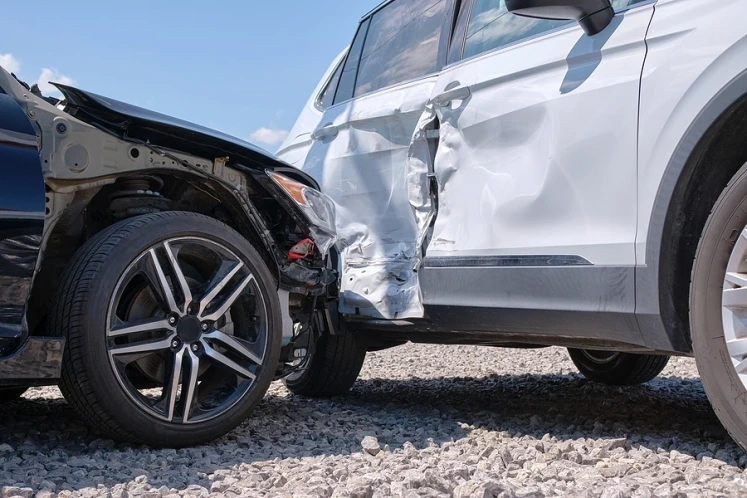
After a crash, physical evidence can disappear before an injured person understands its value. Vehicles are repaired, and surveillance footage is overwritten. Often, witnesses forget details as days pass. Accident attorneys move quickly because early preservation protects the facts needed to explain liability, injuries, and financial losses. Their first steps typically involve securing records, documenting conditions, and preventing evidence from being altered before opposing counsel can challenge it in court.
People who need legal guidance after a collision often look for an attorney who understands how quickly records and physical conditions change. A reputable firm such as Sweet James Accident Attorneys can help organize the early investigation, identify responsible parties, and request documents before routine retention policies remove them. This early work gives later legal arguments a factual foundation. This way, injured parties and their lawyers don’t need to rely on human memory alone.
Why Timing Affects Evidence
Accident scenes change quickly. A damaged vehicle can be moved to a repair facility, road debris can be cleared, and weather can erase skid marks or tire impressions. Photos taken days later cannot always show the same conditions that existed immediately after the collision.
Businesses also delete security footage based on their internal retention schedules. A store, apartment complex, traffic camera system, or nearby property may record the incident, but the footage can disappear without a formal request. That’s why attorneys send preservation letters that identify the material, explain its relevance, and instruct recipients not to destroy it.
Witness memories also fade over time, and details are lost. A driver may remember the impact clearly but forget details, such as traffic signals, lane positions, lighting, or statements made after the crash. Early interviews and written statements capture those details while the event remains fresh.
What Attorneys Preserve First
- Physical Evidence
Vehicle damage can show the direction and force of an impact. Attorneys arrange inspections, photograph damaged parts, and record repair estimates before repairs change the vehicle’s condition. They also examine airbags, tires, seat belts, electronic systems, and other components when such items are connected to the collision.
The accident scene receives similar attention. Investigators document road design, signs, traffic controls, lighting, weather, construction, and visible marks. Measurements and photographs help establish distances that human memory cannot reliably supply.
- Records and Digital Evidence
Medical records connect the collision to reported injuries, treatment decisions, and ongoing limitations. Attorneys collect emergency records, diagnostic results, prescriptions, invoices, and work documentation. These records help distinguish between current medical conditions (caused by the crash) and any previous issues.
Digital evidence includes phone records, vehicle data, dashcam footage, photographs, text messages, and location information. A preservation request can prevent relevant files from being deleted or overwritten. Attorneys also track who created, stored, and transferred each item so that its authenticity is easier to establish (if required later).
How Preservation Supports Liability
Evidence preservation helps attorneys test every version of the accident. A driver’s statement can be compared with vehicle damage, camera footage, witness accounts, and traffic records. If those sources conflict, the differences can reveal which facts require closer investigation.
Preserved evidence also supports claims against more than one responsible party when the facts justify it. A collision can involve a careless driver, a vehicle defect, a hazardous roadway, or negligent maintenance. Attorneys need records from each possible source before a claim can be accurately evaluated.
The process also limits disputes about missing material. If a party receives a preservation notice and later destroys relevant evidence, the court can examine whether that conduct affected the case. The available remedy depends on the facts and applicable law, but early documentation gives the injured person and their lawyer a clearer record.
What Injured People Should Do Immediately
An injured person should seek medical care, report the collision, and preserve personal records without altering them. Photos should show vehicles, injuries, road conditions, signs, weather, and visible debris. The person should also record witness names, contact details, and statements made at the scene.
Saving and organizing copies of insurance messages, medical bills, repair estimates, employment records, and related communications is essential. Social media posts should not describe fault, injuries, or recovery in casual terms. This is crucial because opposing parties can use those posts or statements to challenge the claim.
A consultation with an accident attorney should be scheduled promptly, especially when injuries require extended care or liability is disputed. Attorneys can identify evidence that may be deleted soon, send preservation requests, and explain deadlines that vary by state and claim type.
Conclusion
Evidence preservation begins before a claim reaches court. A damaged vehicle, a deleted video, an incomplete medical record, or a fading witness account can change how an accident is evaluated. Injured people should photograph available evidence, keep every related record, avoid public statements about fault, and contact an accident attorney soon after treatment begins. Prompt action gives the attorney time to secure facts that may be required later for negotiations, investigations, and court filings.