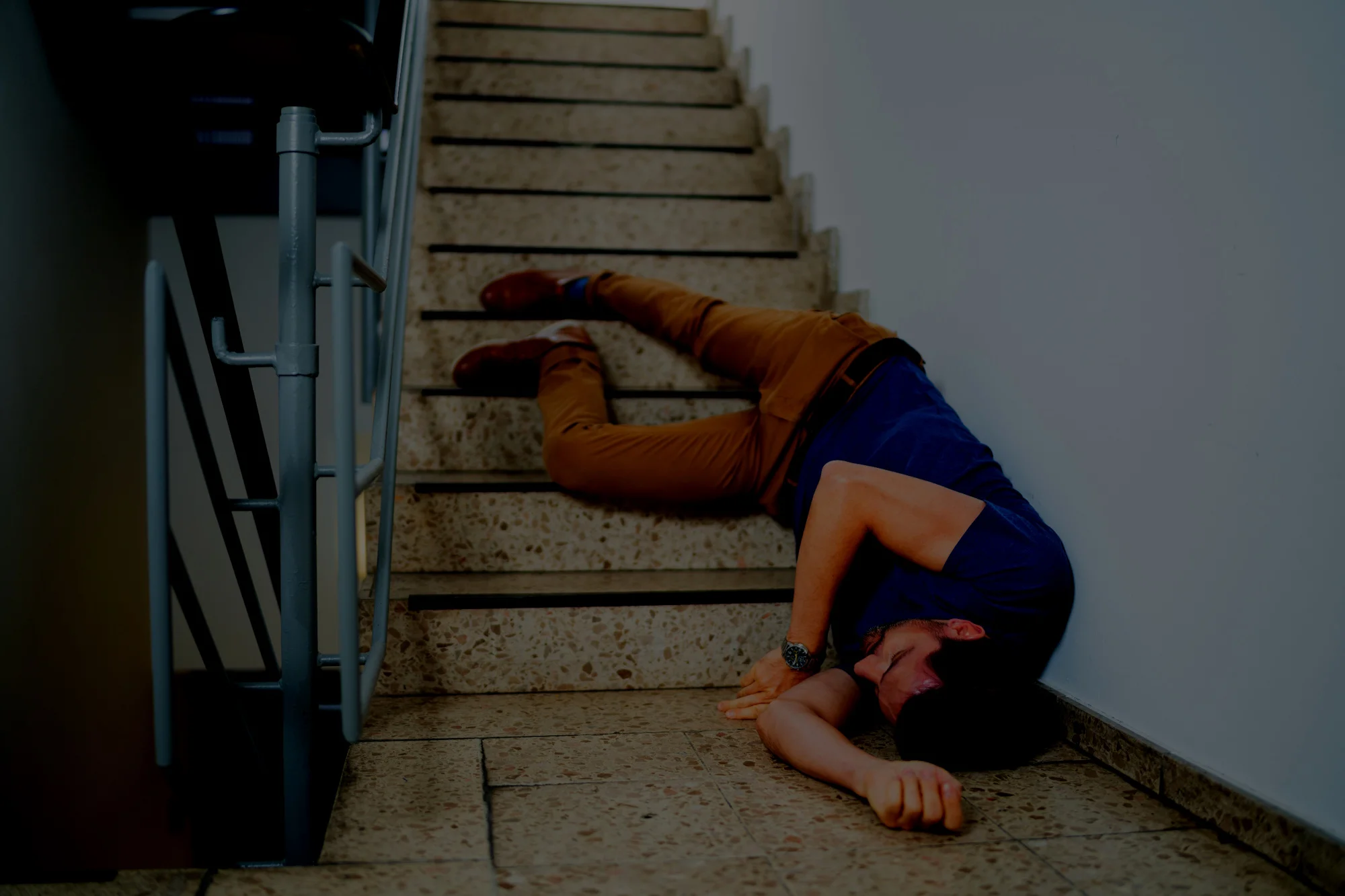
Stairs should provide stable, predictable movement, especially where people enter homes, shops, offices, or apartment buildings. Broken treads, loose rails, dim bulbs, and shadowed landings suggest more than ordinary wear. These defects often reflect skipped inspections, slow repairs, or weak safety routines. For tenants, visitors, workers, and customers, such hazards can show whether an owner treats basic property care as a duty or an afterthought.
Stairways Tell a Story
A cracked step may look harmless until weight shifts and balance fails. Loose rails, uneven risers, and damaged edges create conditions where knees, ankles, hips, and wrists absorb sudden force. After injury, photos, reports, and witness accounts may help an H&P Law slip and fall lawyer assess whether unsafe stairs resulted from neglect, delayed repair, or poor maintenance records.
Lighting Shows Priorities
Poor lighting affects depth perception, foot placement, and reaction time. A person needs clear sight from the first tread through the final landing. Burned-out bulbs, weak fixtures, and dark corners suggest missed maintenance. These conditions place older adults, children, delivery workers, and guests at higher risk, especially when hands are full or vision is limited.
Neglect Builds Over Time
Neglect usually develops through repeated small decisions. A repair request waits too long. A loose board gets tape instead of proper fastening. A flickering fixture remains unchanged for weeks. Each delay raises injury risk. Investigators often ask how long the hazard existed, who received notice, and whether reasonable care could have prevented harm.
Common Stairway Hazards
Unsafe stairs tend to show recognizable defects. Treads may be slick, cracked, loose, uneven, or worn down at the edge. Handrails may wobble, end early, or sit at an unsafe height. Landings may collect water, grit, leaves, or ice. These details matter because stairs require steady traction, visible edges, and dependable support during every step.
Warning Signs Matter
Owners cannot correct every defect immediately, but visible hazards require action. Tenant complaints, prior falls, inspection notes, and maintenance logs can show notice. A careful owner responds with repairs, barriers, added lighting, or clear warnings. Repeated silence after reports may indicate poor oversight rather than chance, especially where the same defect remains easy to see.
Darkness Hides Danger
Dim stairwells make injuries more likely because defects blend into shadow. A chipped edge can disappear at dusk. Moisture may look like a clean surface. A missing contrast strip can hide where one step ends. Strong lighting helps people judge distance, lift each foot, and recover balance before a minor misstep becomes a serious fall.
Repairs Need Proof
Evidence often determines whether a claim has strength. Photos should capture steps, bulbs, rails, flooring, landings, and nearby signs. Medical records can link bruising, fractures, sprains, or head trauma to the fall. Maintenance requests may show ignored complaints. Video can establish timing. These facts help separate an unavoidable incident from preventable property neglect.
Patterns Speak Loudly
One failed bulb may be a recent oversight. Several dark fixtures across one stairwell suggest a maintenance pattern. A single loose tread might reflect fresh damage. Multiple worn edges often point to long-term deterioration. Repeated defects can show that management failed to inspect, repair, or monitor shared areas with reasonable care.
Owners Have Duties
Property owners generally must keep shared spaces reasonably safe. That responsibility includes stairs, hallways, entrances, parking areas, and common routes used by visitors. Legal duties depend on control, notice, and local rules. Still, safe access remains a basic expectation. People should not need perfect balance, ideal lighting, or unusually sharp vision to use ordinary steps.
Prevention Is Practical
Prevention begins with consistent observation. Regular inspections, working bulbs, secure rails, slip-resistant surfaces, and prompt repairs reduce fall risk. Clear reporting channels also help managers respond before someone gets hurt. Good records protect careful owners and support public safety. A property that is checked often usually shows fewer hidden hazards and fewer preventable injuries.
After a Fall
Anyone injured on unsafe stairs should report the incident as soon as possible. Written notice creates a dated record. Photos should be taken before repairs alter the scene. Witness names, footwear, weather, and lighting conditions may matter later. Medical care should come first, because delayed treatment can affect recovery and weaken documentation.
Conclusion
Broken stairs and poor lighting can reveal more than surface damage. They may point to ignored complaints, weak inspections, and delayed repairs. These conditions expose ordinary visitors to unnecessary danger. Safe stairs require sound construction, clear visibility, and timely upkeep. When those basics are missing, the incident may be more than bad luck. It may show that safety was treated as optional.