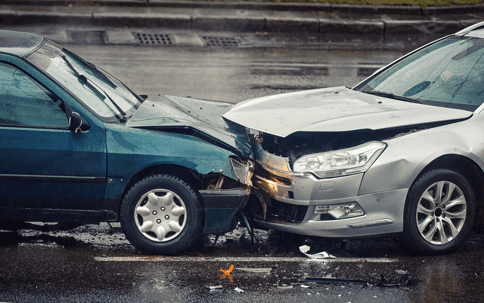
Dealing with the changing seasons in Rhode Island often means preparing for everything from sudden coastal downpours to the icy patches that linger on our shaded backroads long after a storm has passed. While we are all used to these shifts, the legal reality changes the moment a slick surface or a wall of fog leads to a collision. There is a common misconception that a patch of black ice or a heavy gust of wind is an automatic excuse. Still, the law typically expects us to adjust our habits to whatever the weather is doing at that moment. When you are standing on the side of the road in the rain, trying to figure out how a simple slide turned into a complex insurance dispute, the technical details of driver responsibility become the central focus of your recovery.
The way an insurance adjuster looks at a rainy afternoon can be very different from how you experienced it, often leading to disagreements over whether you were traveling too fast for the conditions. Proving that you took every reasonable precaution while another party remained reckless requires a careful gathering of local climate data and scene evidence.
Consulting with a Providence car accident lawyer is a practical way to ensure that the weather isn’t used as a convenient shield by someone else to avoid accountability. This professional insight helps you build a narrative that accounts for the environment while keeping the focus on the compensation you need for your injuries. By securing this support, you can move toward a resolution with the confidence that your side of the story is being told accurately.
The Effects of Rain and Wet Roads
Rain is one of the most common weather hazards. Additionally, wet roads reduce tire grip, increasing the likelihood of hydroplaning. If the rain is falling heavily and an accident occurs, investigators examine whether drivers slowed to suit the wet road. Not slowing down in these circumstances is always going to find you negligent. The law holds that drivers have an obligation to drive safely during bad weather, not just during good weather.
Snow, Ice, and Reduced Control
Driving in snow and ice comes with its own set of challenges. Such surfaces increase stopping distance and make cornering more difficult. Many accidents in these areas involve arguments over the types of care drivers were using while driving. Authorities investigate whether a person left enough distance between cars or used the right tires for winter conditions. A driver who failed to adjust their driving to icy conditions could be liable for causing a crash. Sometimes, both sides are at fault if neither took reasonable care.
Fog and Limited Visibility
Misty fog makes driving visibility very difficult. Instruments must slow down and turn on the headlights to ensure that people can see them. Driving too fast in foggy conditions and then crashing might be judged careless. Traffic investigators also look for any malfunctioning headlights and taillights. Bad lighting can impact the causation aspect of a case and reduce the amount of fault that is apportioned in the claim. Now, when visibility is lowered, you decide how a man is changed in management.
Wind and Its Surprising Effects
Gusts can shove cars out of their lanes, particularly light cars or trucks with tall sides. At times, leading drivers to lose control completely out of nowhere when they hit these gusts. Insurance assessors look at whether drivers attempted to prevent their vehicles from rolling. For example, if someone disregarded weather alerts or drove recklessly in high winds, that can affect the outcome of a claim. Slowing down and making it in slippery conditions generally means a driver will adjust how they apply pressure to the steering wheel as a starting point.
Assessing Driver Responsibility
When insurance companies and legal teams examine accident claims, they consider the weather. But, bad weather in and of itself does not, by itself, free the driver from liability. Every driver is supposed to acclimatize to the surroundings. Inability to slow down or create more distance between their vehicle and your own is an act of negligence. In other cases, bad weather only partly explains an accident, and it is more likely that incompetent driving is to blame.
The Role of Evidence in Claims
Given that photos, witness statements, and police reports help clarify how the weather influenced a collision. Images of leaky streets, snowbanks, and foggy highways are used to bolster claims about current conditions. Before the crash, witnesses may describe how the vehicles were acting. The weather can be a contributing factor in a police report for an incident. It helps insurers and the courts when they have to decide on guilt. When well documented, it solidifies a claim and ensures the scenario is evaluated properly.
Shared Fault and Comparative Negligence
Some collisions can be faulted on both parties involved. For example, in a snowstorm, two drivers may speed and crash; each may bear a percentage of fault. Most jurisdictions use comparative negligence rules that allocate fault and adjust compensation accordingly. This mindset looks not only at the weather but also at the actions of everyone involved. It is best to keep a record of the details of what happened and the scenario to back up your claim.
Conclusion
Weather can contribute to determining fault in crash claims. Rain, snow, mist, and wind are dangers to which drivers must adapt. Insurance companies and investigators take a hard look at whether reasonable precautions were taken. Having solid evidence and driving responsibly certainly helps ensure claims are resolved properly. Knowledge of these aspects will help drivers act wisely after an accident and protect their interests.