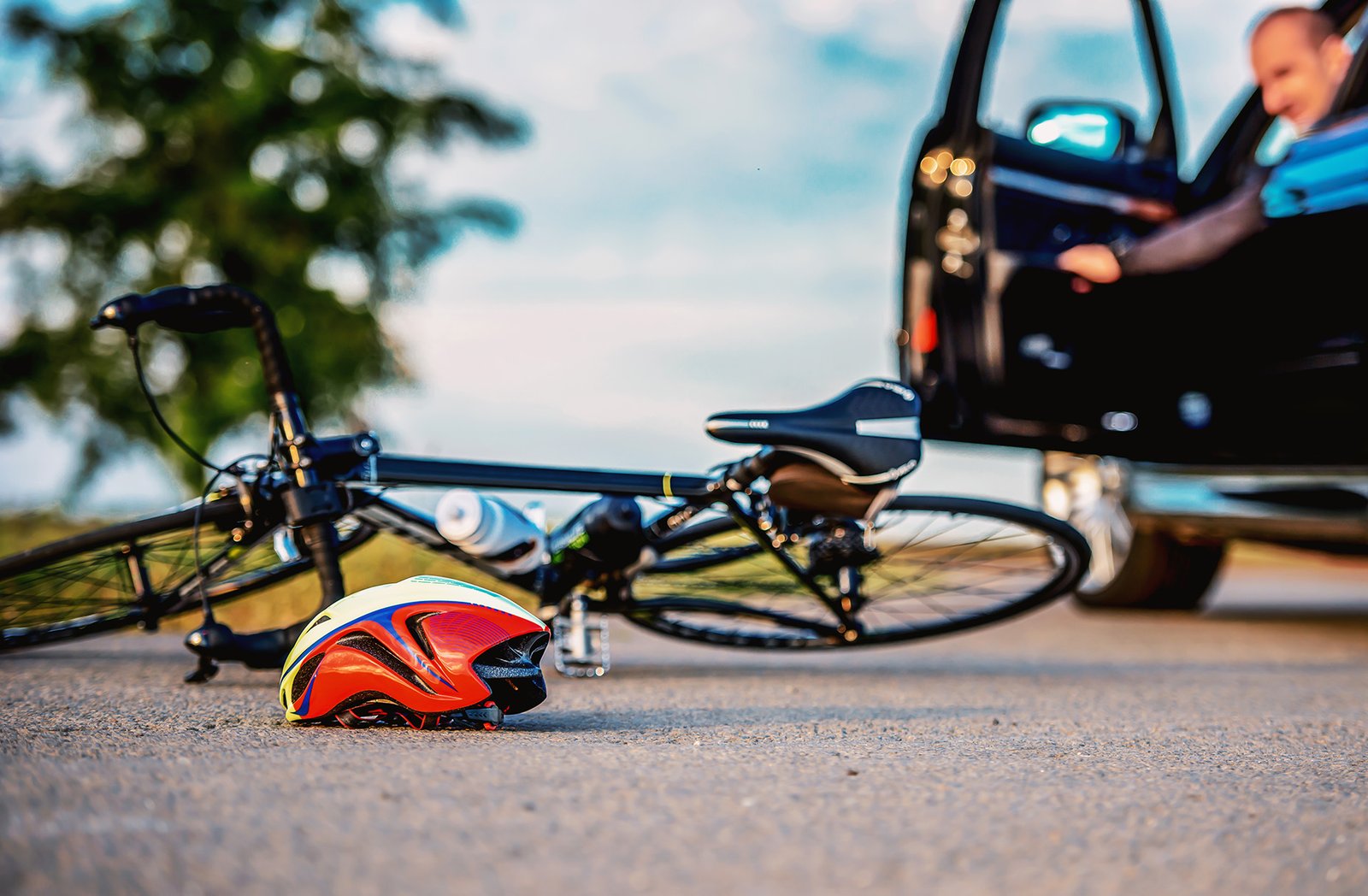
Bicycle accidents in Texas have been steadily increasing, posing significant risks to both riders and pedestrians. In recent years, there were 853 bicyclist fatalities and more than 7,000 injuries reported statewide, with collisions occurring most often at intersections and on busy roadways. Factors such as distracted driving, failure to yield, speeding, and limited visibility contribute heavily to these crashes. The rising number of incidents underscores the importance of safety measures, including proper signaling, protective gear, and public awareness campaigns to reduce preventable harm.
For cyclists seeking legal recourse after an accident, The Texas Law Dog emphasizes the importance of documenting the incident and understanding the causes that led to the injury. Many cases hinge on details like traffic violations, road conditions, or driver negligence, and missing any critical information can limit compensation. Prompt medical attention, eyewitness accounts, and photographic evidence can all strengthen a claim. Being proactive and informed about their legal rights helps ensure victims receive fair compensation for medical costs, lost income, and other damages resulting from a bicycle crash.
Distracted Driving
Many bicycle accidents are caused by distracted motorists. A cyclist can be entirely invisible to a driver who is focused on their mobile device or just some in-car entertainment controls. Even a moment of inattention could result in a collision. Another thing to consider is that cyclists are harder to see than larger vehicles. Driving is not only about being aware of the cars around you but also about every road user, including bicycle riders.
Failure to Yield Right of Way
Traffic rules regarding right of way are often ignored by motorists. Like motor vehicle drivers, cyclists also have traffic rights. If drivers disregard traffic signals or warnings, it can turn dangerous. Cyclists often come across dangerous points at intersections and crosswalks. When the law says you must yield the right of way to a bicycle or otherwise, they must do so because it helps prevent accidents and keeps everyone on the road safe.
Poor Road Conditions
Potholes, uneven pavement, and debris on the road are often sources of crashes. Cyclists are susceptible to even the smallest surface imperfection. Unlike vehicles with four wheels, bicycles may quickly lose their balance. Sometimes, these hazards are due to oversights in city maintenance or construction. Cyclists need timely repairs and regular road inspections to stay safe.
Inadequate Lighting or Visibility
Many accidents happen in low-light conditions. Insufficient street lighting or a lack of reflective gear makes cyclists harder to spot. Motorists may fail to see someone riding at dawn, dusk, or during rainy weather. Cyclists should always use lights and wear bright clothing to remain visible. Municipalities benefit from prioritizing well-lit streets for everyone’s safety.
Impaired Operation
Substance use by one (or both parties) increases the risk of an accident. Impaired drivers may not react in time. Just like being impaired affects reaction time in other activities, cyclists fail to ride safely and maintain their balance. These preventable incidents can be controlled through zero-tolerance policies backed by accessible public awareness campaigns.
Unsafe Passing
Many crashes are caused by motorists passing too closely. When drivers do not spare enough space for cyclists while passing them, it causes panic or drives cyclists off the road. Laws mandating minimum passing distances between cars and bicycles are critical. Regular reminders about ensuring adequate passing distance are crucial for safe, courteous, and careful behavior on the road.
Dooring Accidents
Dooring, which can happen when a driver or passenger opens the door into the path of an oncoming cyclist, is a frequent hazard in cities. Dooring does not give cyclists much time to react, as the door opens suddenly. Cyclists can hit the door or veer into traffic. Vehicle occupants should always check if the path is clear before opening the door when stepping out of the vehicle.
Legal Remedies for Injured Cyclists
Bicycle accidents often leave victims with medical bills, lost wages, and emotional distress. The legal road to compensation and justice involves submitting a personal injury claim. Cyclists can pursue monetary compensation from liable parties who caused their accident injuries. Photographs, police reports, and eyewitness accounts work as evidence and bolster an injured cyclist’s claim.
Comparative Fault Laws
Sometimes, drivers and cyclists are both at fault in an incident. Comparative fault principles assign blame to each party in such cases. If the cyclist was partly responsible for the crash, the compensation will be reduced. If you are considering pursuing a lawsuit, learning about the laws regarding shared responsibility in your state is key.
Insurance Coverage
People believe that insurance will bail them out after an accident. Some auto insurance policies cover injuries or property damage to cyclists. Homeowners’ or renters’ insurance sometimes has bicycle liability as well. Cyclists can check their own policies to see what benefits may apply. The best thing to do is report the incident to insurers as soon as possible to avoid delays in claim processing.
Importance of Legal Representation
In complicated cases, expert legal assistance proves invaluable. Bicycle accident attorneys know how to deal with insurance companies to obtain reasonable settlements. They help clients understand their legal rights and options, ensuring that nothing falls through the cracks. Timely legal advice can be a key factor that makes a difference between positive and negative results.
Conclusion
Many factors, mostly avoidable, lead to bike crashes. Cyclists may be a vulnerable group. However, cyclist safety lies in both awareness and adherence to rules. Both road users and cyclists must abide by road rules. Additionally, infrastructure improvements and responsible behavior on the road can help address many problems. Legal remedies provide a safety net for victims of accidents, enabling recovery and improving accountability on the streets for all road users.