Cleveland serves as the massive anchor of Northeast Ohio, where the winding curves of Dead Man’s Corner and the busy corridors of the Medical Center create a landscape that requires a sharp focus behind the wheel. In a city where life moves between the industrial energy of the Cuyahoga River and the quiet streets of the surrounding heights, being pulled over on a suspicion of driving under the influence can feel like a sudden, jarring halt to your entire world. Because local law enforcement relies on a specific set of tools and observations to build a case, the moments following a traffic stop are filled with the collection of data that will ultimately decide your legal standing.
Gaining a clear perspective on which evidence matters most in DUI cases is the first step toward distinguishing an officer’s opinion from a scientifically proven fact. The outcome of these charges often depends on the smallest technicalities, such as the exact timing of a blood draw or the specific lighting conditions during a roadside test.
If you are worried about how a pending charge will affect your life, seeking a consultation with attorneys at HMW Law can help you determine whether the evidence against you was gathered according to state regulations. By looking closely at the maintenance records of testing equipment and the accuracy of police reports, you can build a defense that prioritizes the truth. Focusing on the technical details of the stop allows you to face the legal process with a much more grounded and informed strategy. Handling these specifics correctly is what keeps your future in Cleveland on the right track.
Police Observations and Initial Stop
Officers typically start with the observations they made before stopping someone. They look for you swerving, hitting the brakes, or drifting out of your lane. Doing these things can indicate that the vehicle is not functioning properly. How a driver reacts to being stopped, whether in the way they talk or even their physical coordination, becomes part of the paper trail. They will also record any confession by the driver that they drank alcohol or took substances.
Field Sobriety Tests
The driver may be asked by law enforcement personnel to perform some physical tasks. Examples of tests include walking in a straight line, standing on one leg, or tracking an object moving with the eyes. An inability to perform these tasks can demonstrate impairment. Evidence that is incriminating is in detail about how a test was performed and the results obtained. Conditions that negatively impact performance due to weather or body should also be recorded.
Breathalyzer and Chemical Testing
Breath tests are commonly used to determine blood alcohol levels. Unsurprisingly, court decisions are heavily influenced by reading beyond the legal limit. Other cases will need blood or urine samples to gain better insight. These samples need to be collected and stored according to specific guidelines. Any manipulation error would compromise the reliability of the outcome.
Video and Audio Recordings
Cameras are mounted on many police vehicles. They record the stop, the interaction, and all field tests. Cameras and microphones provide an objective perspective on the events that unfolded. Recordings can help corroborate an officer’s account or call it into question during a traffic stop. Going over this material helps ensure fairness and accuracy in legal cases.
Witness Testimony
In other cases, statements are made by passengers or bystanders relating to the driver’s conduct immediately before and during the stop. Witnesses may describe a person as having slurred speech or swaying around. The credibility of witnesses can affect the weight of their testimony. What they see could validate or challenge the officer’s report.
Physical Evidence from the Scene
Belongings located within the vehicle may also be a factor. This evidence could include found open containers, prescription bottles, or any other substances submitted. Strong odors, recent spills, and other indications that someone drank recently may help the case for intoxication. Officers take a record and a photo of those.
Medical and Health Factors
Medical conditions that look like being high, or medically induced intoxication. People even hand over medical records to shed some light on why they were acting or looking a certain way at the moment of the stop. Health care providers may be asked to testify about the impact of certain drugs. The courts also look to comment to avoid wrongful conclusions based upon symptoms not related to alcohol or drugs.
Officer Training and Procedure
How the arresting officer has been trained, and how they were previously trained, matter. In courts, Compliance with proper arrest procedures is studied. If this is followed, then any digression from it should further reduce the reliability of the evidence. Showing the officer has training, certification, and followed protocol is evidence that the officer was justified in their actions.
Chain of Custody and Documentation
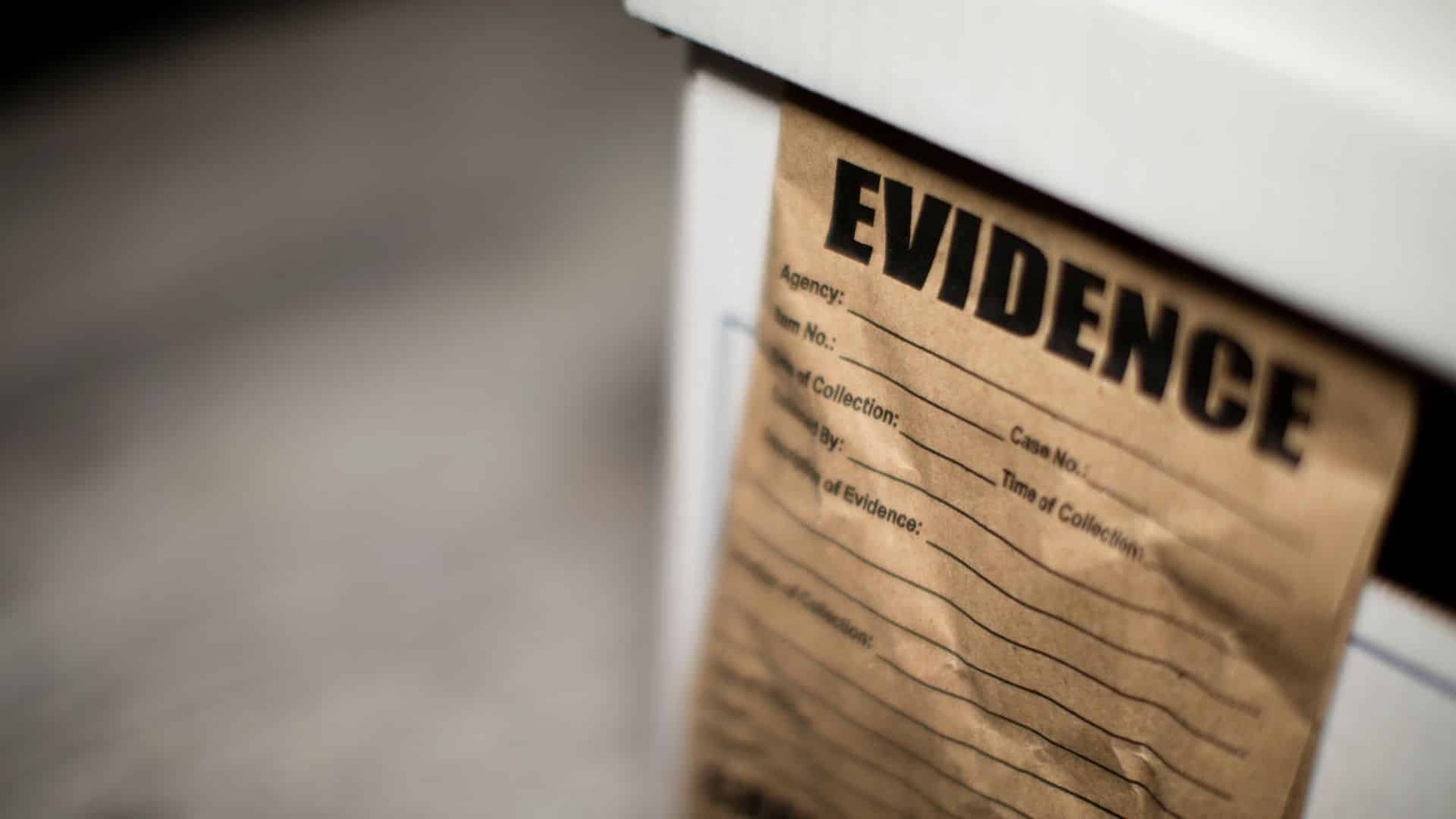
Handling of physical and chemical evidence must be done properly. It needs to be tracked at every stage, both collection and thereafter, and documented accordingly. Any gaps in the chain of custody will leave room for skepticism as to the validity of the test results. The case can be preserved with accurate recordkeeping.
Conclusion
DUI cases are predicated on a strong evidentiary foundation. Using logbooks is crucial for observations, test data, video records, and documentation. Knowing what evidence is most compelling helps individuals and their representatives prepare for each step in the process. The adage “The devil is in the details” applies here, and preparation and knowledge are always required to attain a fair result.