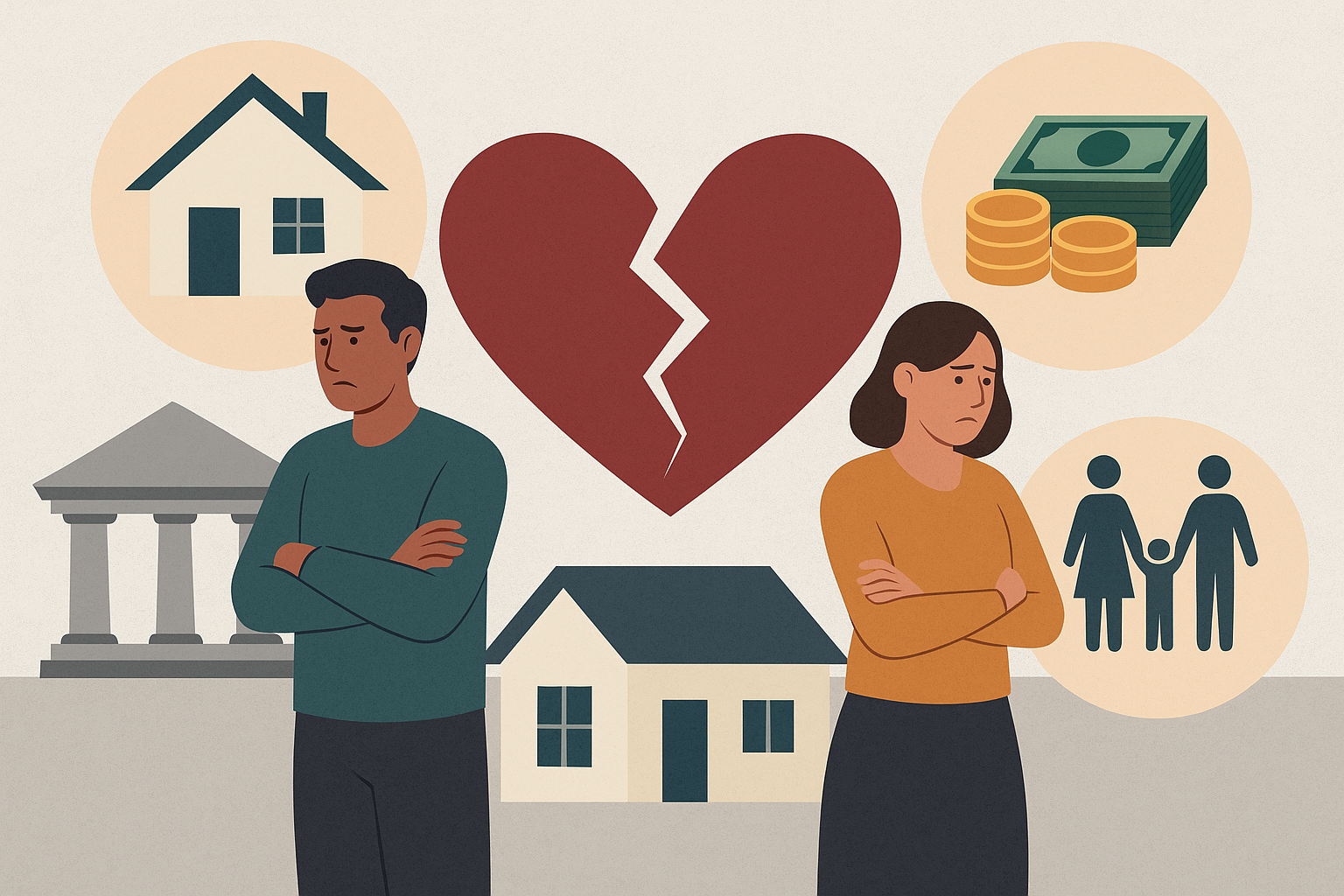
Montana is a state defined by wide-open skies, rugged landscapes, and communities that value hard work, independence, and fairness. But even in a place where life feels grounded and steady, divorce can shake that sense of stability, especially when it comes to dividing what you’ve built together. Understanding how assets and debts are split in Montana is more than a legal formality; it’s a crucial step toward protecting your financial future. Property, savings, loans, and responsibilities don’t just disappear when a marriage ends, and knowing how the law approaches these matters can make the process far less overwhelming.
From determining what’s considered marital versus separate property to understanding how courts aim for equitable, not necessarily equal, distribution, clarity early on can prevent costly mistakes later. With the guidance of the Knight Law Firm, individuals can approach this chapter with confidence, informed expectations, and a stronger sense of control over what comes next.
Defining Assets and Debts
Assets are all the property, cars, savings, investments, and retirement accounts acquired during the marriage. The word “debts” here refers to loans, credit card balances, and mortgages. Whether they are held in common or separately, their status in the event of a separation is determined by the legal regime. Everything is vetted for its origin, value, and intended use before release.
Community and Separate Property
The essential question in property division is whether an asset or debt is community or separate. Community property is the property the couple bought together during the marriage. Assets or liabilities acquired before marriage, along with inheritance or gifts individually acquired, qualify as separate property. Items held in joint ownership are generally divided equally in divorce proceedings; items not held in joint ownership normally go to the owner.
Equitable Distribution Approach
There is a method known as equitable distribution that is used in many areas. This does not necessarily mean that both sides receive equal shares; rather, the aim is fairness, based on income, age, health, and contributions during the marriage. However, under these circumstances, the judge can decide that one person deserves more than the other. There are so many factors, and it depends on each couple.
Valuing Assets and Debts
Before dividing assets, it is important to establish the values of assets and obligations. People usually get a professional opinion on real estate, personal property, or a business. Estimates are based on bank statements, tax returns, loan documents, etc. Good documentation reduces ambiguity and prevents disputes further along the road. Full and frank disclosure of the property and debts by both parties is a fundamental tenet of achieving a fair outcome.
Handling the Family Home
The family home is where a couple lives together and carries both sentimental value and community property value. In other cases, one partner stays in the home, and the other is paid for their interest; it involves selling the property and dividing the proceeds. For the house, one can also look at maintaining a stable environment for kids with the school they are in, and also other activities, etc.
Dividing Retirement Accounts and Investments
Separately, the investment accounts and retirement funds require extra attention. Certain accounts cannot be divided without a court order. Taxation and penalties need to be taken into consideration during the process of division. By hiring financial experts, both sides would be able to come to a fair arrangement and avoid making very expensive mistakes.
Managing Debts Responsibly
Along with possessions, joint obligations will need to be dealt with. Debts like credit cards, loans, and mortgages incurred during the marriage are generally divided reasonably evenly. In some instances, one party takes on more debt in advance of receiving a larger share of the other party’s assets. Joint liability for loans persists, as moneylenders treat both partners as jointly liable for the entire loan, even after they have divorced.
Considering Children’s Needs
Financial arrangements are often affected by children’s well-being after divorce. Courts sometimes grant one parent occupancy of the family home to maintain stability. Things like child support and educational expenses are also considered during the division. Focusing on the best interests of the children will guide decisions on property settlement and liabilities.
Negotiation and Settlement Options
It is not always necessary to go to court to divide property and obligations after separation. Most couples negotiate or mediate an agreement. Such methods provide greater control and privacy over the data. Achieving a consensus can save time, energy, and resources while relieving stress. Legal oversight during negotiations helps prevent informal agreements that fail to meet legal requirements.
Conclusion
When getting divorced, dividing assets and debts can seem insurmountable. This process can be less of a headache due to the principles outlined above and getting good advice. They should also be conducted in a fair, transparent, and open manner to reach an agreeable resolution. A well-structured strategy will allow both sides to progress with much greater trust and safety.