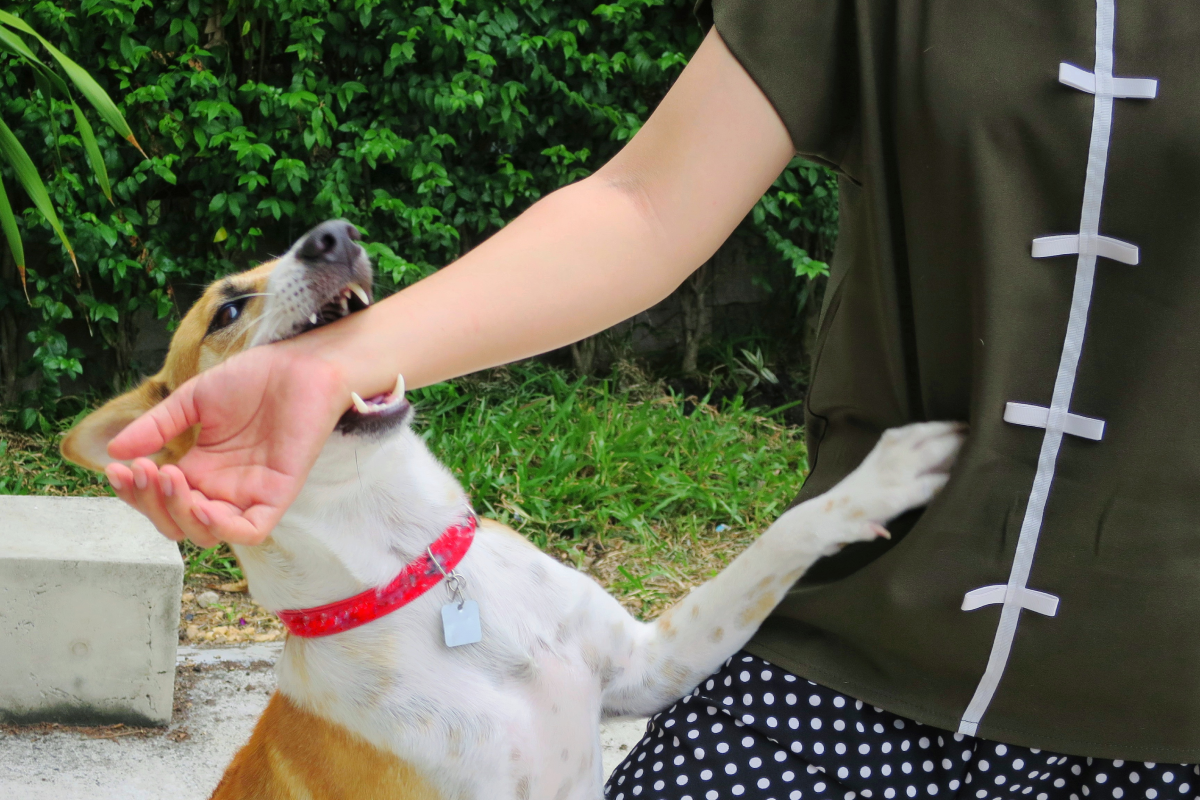
California is home to diverse communities, active neighborhoods, and countless public spaces where people and pets interact every day. From residential streets to parks and shared walkways, dogs are a familiar presence in daily life across the state. A sudden dog bite can quickly transform a normal moment into a painful and stressful one, even though most interactions are harmless.
California has specific laws that govern dog owner responsibility, making it important for victims to understand how these rules affect their ability to seek protection and compensation. Knowing what actions to take immediately after an incident can influence medical recovery, financial stability, and the strength of any future claim. Learning the proper steps to take after a dog bite helps injured individuals protect their rights and avoid missteps during a vulnerable time. With guidance from experienced advocates such as Lone Star Injury Attorneys, victims can approach the legal process with clarity and confidence.
12 Immediate Actions To Take After A Dog Bite
Have you been bitten by a dog? Don’t take this encounter lightly. Please promptly follow these 12 steps to recover from this situation.
- Ensure Immediate Safety
Get away from the spot where the bite took place. If the animal is still there, back off and allow it some room to avoid additional injury. You may need to help others around you to safety. Calmness avoids causing more panic and additional injuries.
- Seek Prompt Medical Care
Bacteria can even enter a wound that seems small and cause infection. Gently clean the area with some soap and warm water. Apply a clean cloth or bandage over the wound to stop the bleeding. Seek medical care immediately for a full evaluation. It also allows medical professionals to determine if these people are at risk and treat them with antibiotics or vaccinations.
- Document the Incident Thoroughly
Documents provide the foundation of evidence for any subsequent claims or reports. Photograph all injuries, torn clothing, and the location of the incident. Document the date, time, and environment in which it took place. If possible, bear in mind the breed, size, and color of the dog.
- Collect Information from Witnesses
Witness testimony might be useful, especially if they witnessed the bite. Request for names, addresses, and numbers. Witnesses will be able to verify the events and present independent testimony if necessary in the future.
- Get Information about the Dog and Owner
Attempt to investigate who owns the animal without confrontation. Ask for the name, address, and phone number of the owner. Request proof of the dog vaccinations, especially rabies. Correct information assists medical professionals in establishing the appropriate treatment plan.
- Report the Bite to Local Authorities
Report it to animal control or local health departments. An account helps save the event for the public record. If the animal is a threat to the public, local authorities might look into the matter. In certain regions, it’s mandated by law to keep a record.
- Keep Medical Records
Attend all recommended follow-up appointments. Maintain a record of your medical records, treatment plans, and receipts. If there are questions regarding the level of injuries or the cost of care, these documents may be required.
- Preserve Physical Evidence
Retain any clothing or personal items that sustained damage during the incident. Do not wash or try to repair these items until you have consulted a professional. If any legal or insurance issues arise, physical evidence is another way to back up your version of events.
- Consult a Legal Professional
Certain dog bite cases breed arguments over liability or damages. Talking to a lawyer can clarify your rights and next steps. They could recommend filing a claim, bargaining with insurers, or pursuing other remedies.
- Avoid Discussing the Incident Publicly
Do not post any information on social networks and open sites. Things you say online can sometimes lead you into trouble with respect to claims or lawsuits. Talk about the event with only trustworthy professionals or authorities.
- Watch for Infection or Complications
Continue to monitor for redness, swelling, or fever even after initial care provision. Seek medical assistance if symptoms worsen or if new problems develop. A prompt response to complications favors a speedier recovery and minimizes long-term complications.
- Support Emotional Recovery
A dog bite can be an emotionally traumatic event. You might seek a counselor if, especially, the anxiety or fear persists. Healing can be aided by having support from friends, family, or mental health professionals.
Conclusion
Taking the appropriate steps after a dog bite protects physical and emotional well-being. In general, acting fast, maintaining good records, and consulting a professional will all help you to ensure a speedier recovery. With these purposeful recommendations in mind, anyone affected can plan next steps with even greater confidence.